

Why this matters: Understanding these principles is essential for analyzing urban warfare. A prepared defender can leverage the environment to counter vastly larger forces.
Attention: The Defender's Advantage
Imagine defending a city against an approaching enemy force. They possess more troops, advanced technology, and air superiority. Should you retreat or surrender?
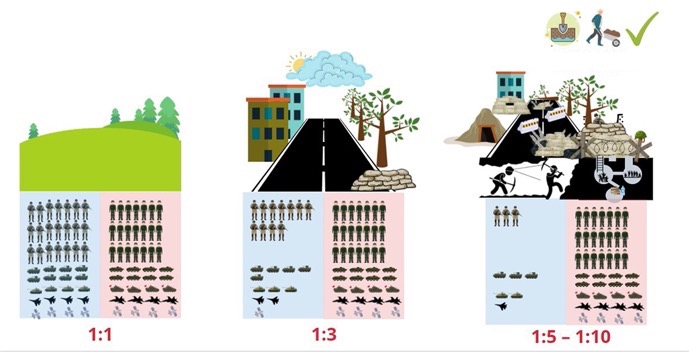
The Rules of Urban Defense
The urban terrain fundamentally disrupts an attacking military's standard operations. Large government and industrial buildings act as fortified bunkers.
- Terrain Nullifies Tech: The dense environment severely reduces the attacker's surveillance capabilities and long-range engagement advantages.
- Freedom to Maneuver: Defenders can connect positions internally through walls and floors, remaining entirely hidden while moving.
- Concrete is Key: Do not rely on wood or sandbags. Steel-reinforced concrete (rebar) is your greatest defensive resource for building barriers.
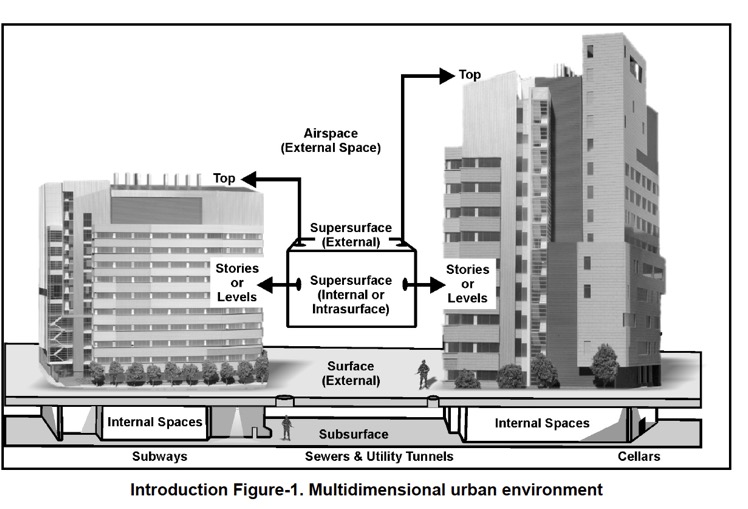
Surviving the Attack Phases
An enemy assault on a city systematically unfolds in three distinct phases. A defender must adapt their survival strategy to each.
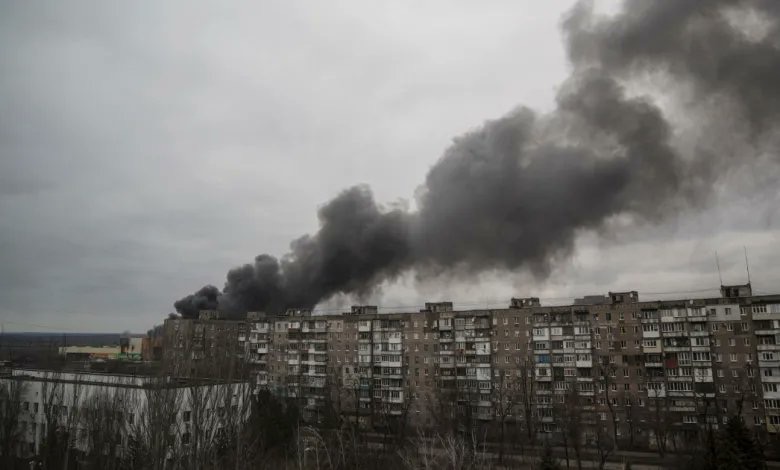
Phase I: Softening
Targeted bombing of known positions to demoralize. Immediately obscure and hide all key locations from aerial view.
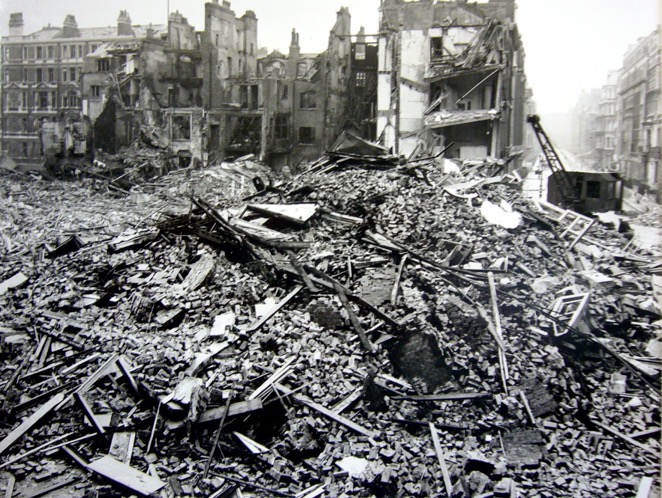
Phase II: Bombardment
Continuous explosive strikes attempt to force surrender. Retreat to underground bunkers and tunnels to survive while preserving supplies.
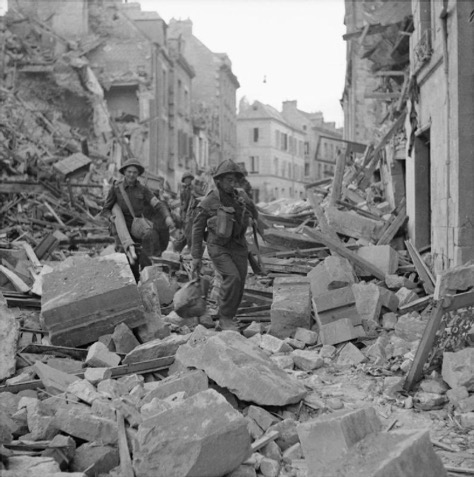
Phase III: Ground Assault
Enemy infantry and armor attempt to enter. "Hug" the attackers tightly so they cannot call in artillery without hitting their own forces.
Knowledge Check
During Phase III of an urban assault, why is it tactically advantageous for defenders to "hug" the attacking ground forces (getting extremely close to them)?
Critical Supplies & Standing Orders
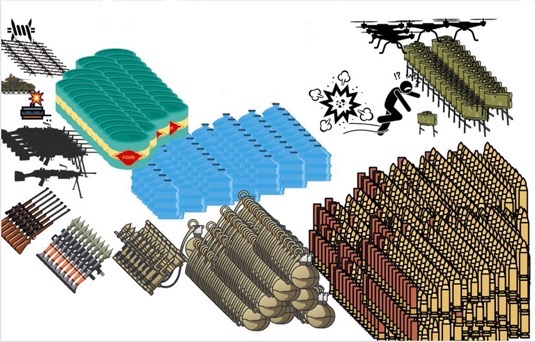
Logistics win urban battles. Urban combat requires four times the amount of ammunition compared to rural environments. More importantly, survival dictates strict resource discipline.
- Water Over Food: You can survive 3 weeks without food, but only 3 days without water. Purify all sources.
- Hide Everything: Use tarps and blankets to obscure movement from the sky. If you are seen, you can be struck.
- The Underground Refuge: Use basements and tunnels to hide, escape, store supplies, and launch counterattacks. If none exist, start digging.
Key Takeaways
- The Defender's Advantage: The urban environment severely limits attacker surveillance and mobility. Doctrine requires 3-5 times more attacking forces.
- Survive the Phases: Evade initial softening bombings, survive heavy bombardments underground, and engage in close-quarters ("hugging") during the ground assault.
- Concrete & Concealment: Build barriers exclusively with reinforced concrete. Stay hidden from aerial observation using tarps and buildings at all times.
- Critical Logistics: Stockpile 4x the normal ammunition, massive amounts of purified water, and heavily utilize the underground for survival and movement.
Final Assessment
You have reviewed the core principles of urban defense. Now, test your knowledge.
There are 4 questions. You must score 80% or higher to receive your completion certificate.